Neel Kamal Chapagain’s Thoughts and Reflections

बेइजिंग (चीन)मा अरनिकोको श्वेत चैत्य
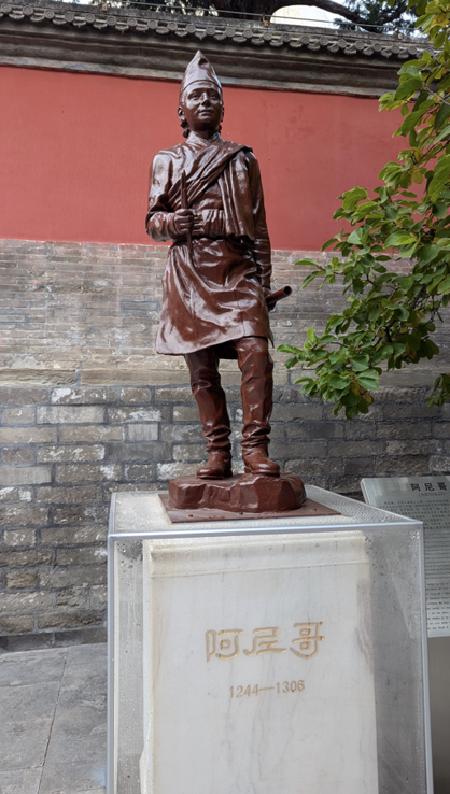
A statue of Araniko

आज (पुष २३) अरनिको स्मृति दिवस भनेर पात्रोमा लेखेको देखें, यो कुरा त कहिले याद गरिएको थिएन, खासै चर्चामा आएको पनि सुनिंदैन। तर अरनिकोलाई सम्झिने एक दिन तोकिएकै रहेछ भने त यहि अवसरमा मैले हालै भ्रमण गरेको श्वेत चैत्यको बारेमा दुईचार कुरा राख्न मन लाग्यो। त्यसैले दुइ महिना अगाडिको भ्रमणको आधारमा गत महिना आर्किटेक्चरका विद्यार्थीहरुलाई दिएको एउटा सानो परिचयात्मक प्रस्तुतिलाई यहाँ लेख्ने जमर्को गरेको छु। ढिलै भए पनि अरनिकोको बारेमा अलि चर्चा परिचर्चा गर्नु पर्यो भन्ने लहड लागेकोले यी केहि शब्द र हालैको भ्रमणमा खिचिएका तस्वीरहरु मार्फत अरनिकोको व्यक्तित्व र कृतित्वको बारेमा अलि छलफल होवोस भन्ने आशा र अपिल गर्दछु।
जलवायु परिवर्तन सम्बन्धी थामेले गराएको ध्यानाकर्षण!!!

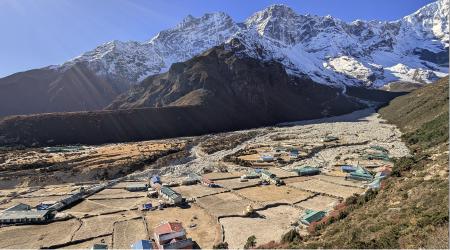
The village of Thame, sitting in an opening between cliifs. White, snowcapped mountains cover the background.

ठ्याक्कै एक महिना अघि म थामे पुगेँ – २०२४ को हिमताल विष्फोटले ल्याएको बाढीले सांस्कृतिक सम्पदामा परेको असर सम्बन्धी युनेस्कोको तर्फबाट कार्यशाला गर्ने उद्देश्यले । कार्यसूचीभन्दा अलग, यो यात्रा मेरो आफ्नै बौद्धिक जीवनलाई झक्झक्याउने एक मोड बन्न पुग्यो । म जलवायु परिवर्तनका विषयहरूबारे केही हदसम्म सचेत भएपनि जलवायु परिवर्तनको मार व्यहोरेको समुदायबीच थामेमा बसेर अध्ययन र विचार विमर्श गर्दा यस महत्वपूर्ण मुद्दामा मेरो आँखा खुलेझैं भान भयो । यस ब्लगमार्फत, जलवायु परिवर्तनका विषयमा मेरो जागरणको अनुभुति यहाँहरुसंग बाँड्न चाहन्छु।

Waking up to the climate change

The village of Thame, sitting in an opening between cliifs. White, snowcapped mountains cover the background.

Exactly a month ago (13 November 2025), I reached Thame on a UNESCO mission to conduct a workshop to understand the impact of 2024 Glacier Lake Outburst Flood (GLOF) on Thame’s cultural heritage. The mission agenda aside, the trip itself became a turning point for my own intellectual being. While I was aware of climate change issues to some extent, it was an immersive eye opening experience for me to be in Thame amidst the community that faced the brunt of climate change last year. The mountain communities have the least or none contribution on the causes of climate change, but they are among the front line victims. In this blog, I wish to share my journey of awakening about the climate change issues.

Declaring DoA&NA building as ‘heritage’ and implications for the Department of Archaeology

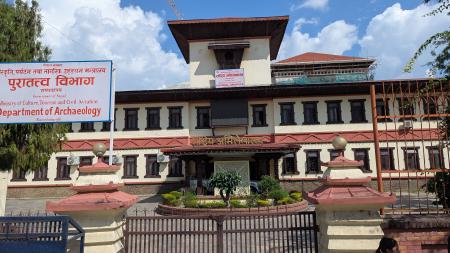
The Department of Archaeology and National Archives Building: A long, two story building, with beige walls, carved wooden exterior window trims, and a protruding entrance area supported by carved wooden pillars

I wish to call upon the Department of Archaeology of the Government of Nepal as well as other related Ministry and agencies to learn insights from the recent incidents, and pledge to pursue heritage policies in Nepal, not for the sake of conservation but for serving people while also connecting to them and empowering them through the discourse and frameworks of heritage. Heritage is a powerful and useful concept as long as we deeply understand it and work with it. It can bring us all on the same page and motivate to work for a shared cause. On the other hand, heritage can also be a point of conflict and a completely disconnected movement if it is pursued just for the sake of it.

माफ गर्नुहोला आर्किटेक्ट महोदयहरु!!!

Louis I Kahn designed building in Kathmandu

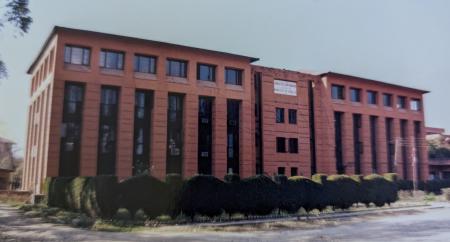
भौतिक संरचना र सम्पदाका कुराहरु गरिरहँदा मैले विभिन्न तत्व र महत्वका आधारमा संरक्षण र पुनर्निर्माणको कामको खाका बनाइनु पर्ने धारणा अघिल्ला ब्लगहरुमा राखें। ती प्रसङ्गमा आउने एउटा पक्ष ती संरचनाका डिजाइनर आर्किटेक्ट र इन्जिनियरका कुरा हुन्, विशेषत उनीहरुका डिजाइन के कस्ता थिए, अन्तत ती संरचना कस्ता बने र कसरी प्रयोग भए इत्यादि। त्यसैले आज म तीन हस्तीहरुको सम्झना गर्न चाहन्छु। सिंहदरबारका रचनाकार इन्जिनियर किशोर नर्सिङ्ग राणा र कुमार नर्सिङ्ग राणा अनि साविकको स्वास्थ्य मन्त्रालय रहेको भवनको आर्किटेक्ट लुई कान । यहि विषम परिस्थितिमै भए पनि हाम्रो कला, संस्कृति र परिचयको द्योतक बन्न सक्ने वास्तुकला, भवन, संरचनाहरु बारे हामी पनि समग्रमा सचेत हुन्छौं भन्ने आशा छ। तर अहिले लाइ जे भयो, त्यस्का लागि यी तीन आर्किटेक्ट लगायत अन्य भवनका आर्किटेक्टहरुसंग क्षमायाचना त गर्ने पर्छ जस्तो लाग्छ। र क्षमा लायक हामि त्यति बेला हुन्छौं, जतिबेला हामीले हाम्रा संरचना, तिनका पुनर्निर्माण अनि संरक्षणका कुराहरुमा अलिकति सजग र विवेकशील हुन्छौँ।

Sorry, Architects!!!

Louis I Kahn designed building in Kathmandu

In the pursuit of reconstruction, let us try to appreciate the original architects’ intentions and ideas, and whether it is worth getting back to those ideas to start with. Rather than discarding original ideas by ignorance, I think it is better that we evaluate the options including the original ones and plan reconstructions in the near future. It is where I think lies a historic opportunity for architects and heritage practitioners in Nepal to chart a new discourse of architecture and heritage that matters to people, but one that also critically appreciates the historical legacies.

भग्नावशेषलाई सम्पदाको रुपमा हेर्दा: मेरो विचारमा अबको बाटो

GenZ आन्दोलनको क्रममा भग्न हुन पुगेका संरचनाहरुलाई सम्पदाका रुपमा हेर्ने सन्दर्भमा सम्पदा (Heritage) को अवधारणा, तिनका संरक्षणका विधिहरु र हामीले अहिले अङ्गाल्न सकिने बाटाहरुको सम्बन्धमा आफ्नो धारणा प्रस्तुत गर्दैछु।

भग्नावशेष, हामी, र भविष्य

हामी इतिहासको एउटा जटिल मोडमा छौं, रुन्चे हाँसोको संघारमा छौं, शायद सगरमाथा आरोहणको त्यो ‘हिलारी स्टेप’ मा छौं (शेर्पा फड्को भन्न उचित हुनेथियो शायद) । तर आरोहण पश्चात सगरमाथा आरोहीहरु त एकै छिन फोटो खिचेर अवतरण तिरै लाग्छन, मेरो आशा चाहिं सगरको यो माथामै पुगेपछि त हामी अब बादल माथि माथि उड्छौं होला भन्ने हो - फेरी फर्केर उही पुरानै धरातलमा न आइएला नि । हुन त बादल माथि रहे पनि समग्रमा त पृथ्वीकै इकोसिस्टमकै आधारमा चल्ने हो। तसर्थ यी सबै सापेक्षिक कुरा त हुन्, तै पनि आफ्नो सन्दर्भमा केहि विचार विमर्श त हुने पर्छ, बरु त्यो साधारण भाषामा गर्नु ठिक होला। आर्किटेक्चर र सम्पदा (heritage) को विद्यार्थी भएको नाताले म भौतिक संरचना र त्यसलाई थोरै सम्पदाको बुझाईबाट हेर्ने प्रयास गर्छु।